

EFWA has launched the Buya Subi Project, an international initiative dedicated to safeguarding the endangered Donggala heritage textiles of Indonesia. This five-year program, starting in January, will collaborate with Central Sulawesi artisans to preserve and promote culturally significant fabrics, ensuring their legacy for future generations.
Rooted in the principles of sustainable fashion, the EFWA promotes slow, local production, recycling, and reuse. These values are deeply embedded in traditional craftmaking, honouring the long-standing practices of Indonesian artisans.
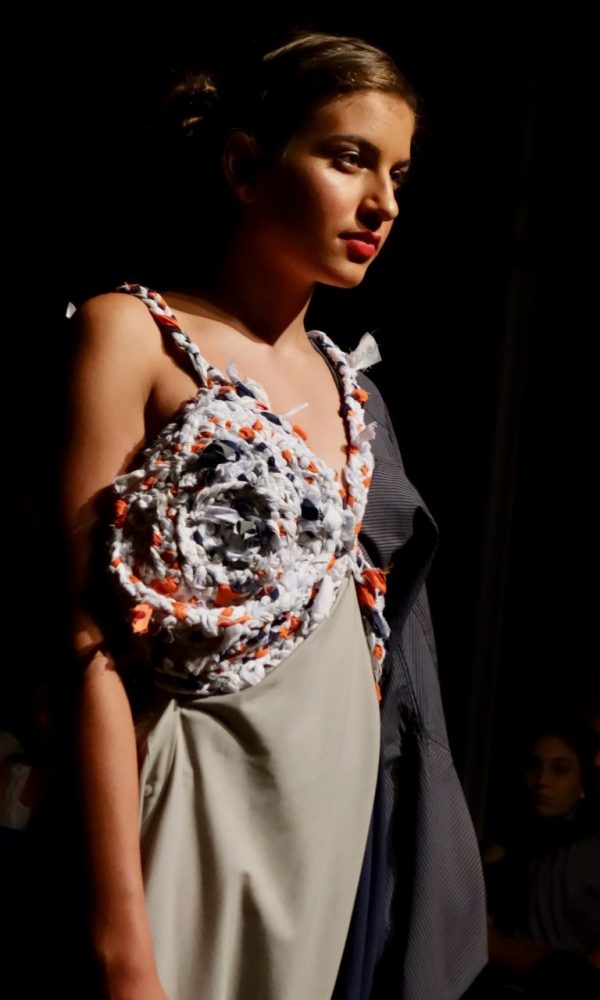
Above Designer: Heaven Tungga, Model: Charlize Parkinsonn, Photography: Alexis Rose Photography
Related story: EFWA Florence Edition

Goals and Objectives
“The EFWA Buya Subi Project aims to provide promotion, education, investment, and cultural awareness to rejuvenate traditional weaving in Donggala artisanal textiles, safeguarding their future,” said EFWA Founder and Director, Dr. Zuhal Kuvan-Mills. “The proliferation of cheap, fast-fashion textiles, such as polyester, poses environmental risks through toxic production and undermines the value of handmade textiles. The slow production rates of traditional crafts struggle to compete with fast fashion. Resulting in skilled artisans unable to pass down their expertise due to limited income opportunities from handmade fabrics.”
Significance of Donggala textiles
In Central Sulawesi, traditional textiles hold immense economic and cultural significance, fostering identity and community. Yet, like many local textile traditions, they face the risk of losing ancient knowledge and craftsmanship.
Traditional Donggala textiles are a vital part of Indonesian cultural traditions, closely tied to local customs, stories, and identities. To ensure the survival of these centuries-old crafts, it is crucial to establish supportive structures that protect artisans and highlight the relevance of their work in today’s society.

UNESCO Recognition and Sustainable Development
UNESCO has recognised traditional craftsmanship as an intangible heritage that requires protection and promotion under the Sustainable Development Goals (SDGs). Opportunities for sustainable livelihoods exist in cultural tourism, and the traditional craft sector plays a key role in achieving SDGs related to women’s empowerment, reducing inequality, increasing access to employment, and strengthening sustainable production and consumption.
EFWA Global Engagement
EFWA is a proud member of the United Nations Fashion and Lifestyle Network, which champions transparent, inclusive, and transformative engagement among global stakeholders. The Network fosters cross-industry collaboration and partnerships with the United Nations system, accelerates innovation and knowledge exchange, and promotes members’ advancement of sustainable development through impactful solutions.
The EFWA Indonesia Buya Subi Project is set to showcase Donggala’s fabrics on global runways in 2026. More details will be provided as they become available.